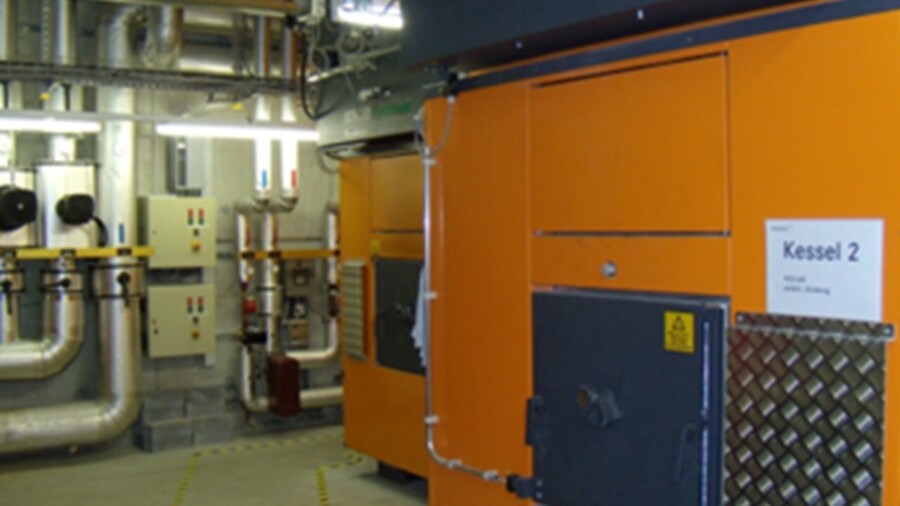
The climate protection programme “Renewable heat from domestic sources” promotes the replacement of fossil heating systems with renewable heat solutions in Switzerland. Oil- and gas-fired heating systems are replaced by climate-friendly solutions such as wood-based heat, ambient and waste heat, and geothermal energy. The resulting CO₂ emission reductions of approximately 17,000 to 20,000 tonnes of CO₂ per year are achieved entirely within Switzerland, and the value added remains within the region.
Project standard: ISO 14064-2
Detailed description
The building sector is responsible for around one third of CO₂ emissions in Switzerland. To achieve the climate targets, replacing fossil-based heating systems with renewable heat solutions is essential. This is precisely where the programme comes in: with 19 different projects across Switzerland, the programme supports investments in renewable heat generation and accelerates the expansion of district heating networks and climate‑friendly heating systems.
The programme makes an effective contribution to climate protection, strengthens domestic energy supply, and reduces dependence on fossil energy imports. At the same time, it promotes regional economic cycles and provides planning certainty for future‑oriented heat infrastructures.
Emission reductions are calculated in accordance with an internationally recognised standard and are verified by an independent, accredited verification body.
The climate protection programme comprises a broad mix of small and medium-sized projects, as is typical for the Swiss SME and municipal context. Projects emerge from initiatives by companies, energy suppliers, municipalities, and committed individual actors, and are implemented in a decentralised manner. This makes regional climate action tangible, concrete, and effective.
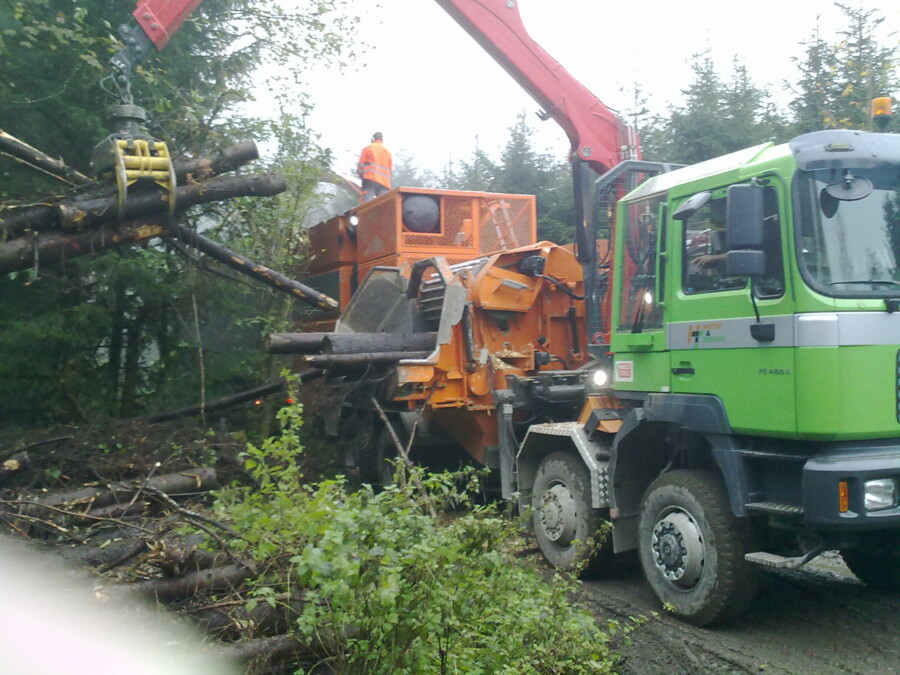
A key element of the programme is the use of wood-based heat from sustainably managed Swiss forests. This energy source is renewable, locally available, and strengthens the domestic forestry sector. At the same time, renewable heat is often still more costly than fossil alternatives. Financing through CO₂ certificates creates a targeted incentive to make the transition economically attractive and to reduce investment barriers.
In addition to climate benefits, the projects also contribute to security of supply. By reducing financial outflows for oil and gas imports, dependence on international energy markets is lowered and the Swiss energy economy is strengthened.
Social and economic benefits
- Strengthening regional value creation: Investments, operation, and maintenance are carried out predominantly at the local level. Revenues remain within the region and support local businesses and municipalities.
- Local job creation: The planning, construction, and operation of heat networks and renewable heating systems create qualified jobs at the regional level.
- Promotion of energy independence: Reduced imports of fossil fuels increase political and economic stability.
- Planning certainty for investors and municipalities: Long-term, stable heat solutions reduce cost risks associated with volatile energy prices.
- Contribution to regional development: Rural regions benefit in particular from the use of local resources such as wood and waste heat.
Environmental aspects
- Direct CO₂ reduction in Switzerland: Emission reductions occur where the heat is used, without relocation abroad.
- Substitution of fossil energy sources: Oil and natural gas are permanently replaced by renewable heat sources.
- Sustainable use of natural resources: Wood-based heat originates from regional, sustainably managed forestry and supports climate‑compatible forest management.
- Contribution to the energy transition: The expansion of renewable heat solutions is a key pillar for achieving Switzerland’s net‑zero target.