The climate protection project aims to store additional CO₂ in Swiss forests in the long term, stabilise stocks across generations, increase their climate resilience and promote biodiversity. With its specially developed methodology, it sets new standards for high-quality, transparent and trustworthy forest climate projects for CO₂ removal.
Project standard: ISO 14064-2
Detailed description
Swiss forests make an indispensable contribution to climate protection. They store carbon, provide habitats for countless species and protect people and infrastructure. However, increasing drought, pest pressure and extreme events are putting forest ecosystems under severe strain. In order for them to fulfil their functions in the long term, management is needed that combines ecological stability, sustainable use and climate impact.
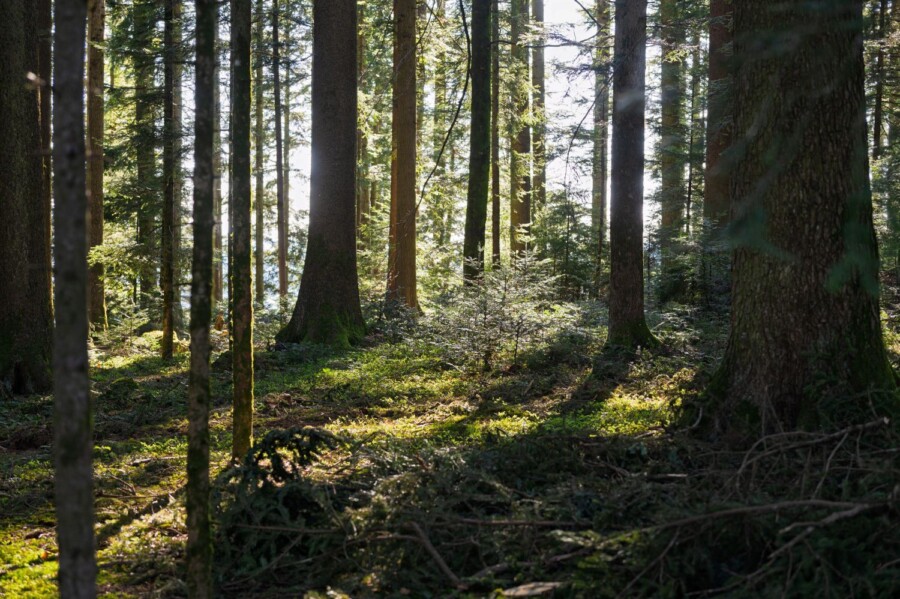
This project in the canton of Aargau focuses on improved forest management, which increases CO₂ absorption and makes the forest more resilient to climate change. The focus is on building up a structurally rich and high-storage forest stock that goes beyond the conventional management scenario. This increases the wood stock, which binds additional CO₂ in the forest and stores it long-term. This CO₂ removal is also known as sequestration.
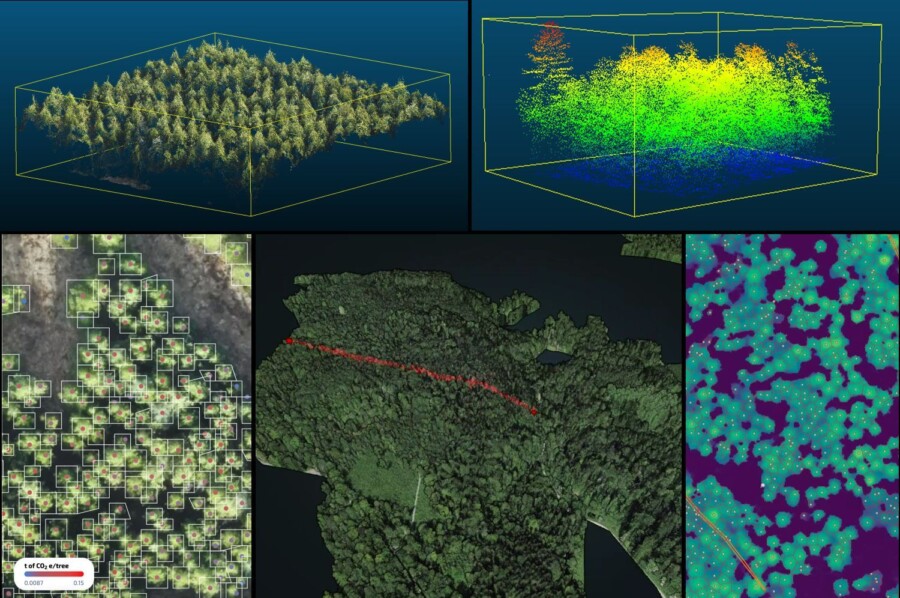
An essential part of the project is the regular recording of forest development using remote sensing and LiDAR technology. This makes it possible to precisely measure the actual development of biomass, forest structure and carbon stocks. CO₂ removals are thus quantified on the basis of actual measurement data. This creates a particularly high degree of transparency and traceability.
The project ensures that the sink capacity and the protective, utilisation and welfare functions of the forest are preserved in the long term through appropriate management. The removals achieved are in addition to the minimum legal requirements and are verified and registered according to international standards. Income from the project flows into silvicultural measures and enables climate-optimised forest management. Thanks to the chosen approach, the project not only contributes to increasing CO₂ storage capacity, but also strengthens the ecological stability of the forest. Structurally rich stands promote natural regeneration, increase resilience to storms, drought and pest infestation, and provide valuable habitats for native flora and fauna.
Social and economic benefits
The projects are designed to increase carbon storage without compromising the other key functions of the forest. The long-term management perspective supports forestry operations and strengthens their role in developing climate-resilient forests.
The financial resources from certification enable forest owners and forestry operations to implement additional silvicultural measures that would not be feasible under normal operating conditions. At the same time, the project helps to stabilise the social and economic situation in forestry operations and strengthen regional value creation.
Environmental aspects
Management is carried out in such a way that the relevant ecological functions of the forest are secured in the long term. These include:
- Additional CO₂ storage through targeted stockpiling, which creates more long-lived biomass and permanently binds CO₂ in the forest.
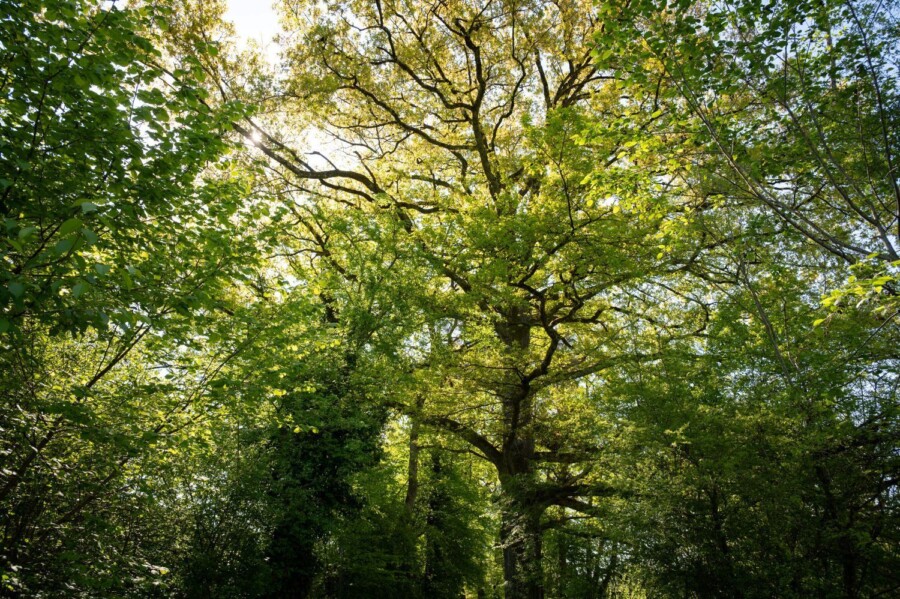
- Promotion of biodiversity through structurally rich and species-diverse stands.
- Preservation and development of natural habitats.
- Improving resilience to pests, drought and extreme events.
- The use of remote sensing technologies ensures that the ecological impact is transparently documented and comprehensively evaluated.
- This objective measurability provides significant added value and creates a robust basis for high-quality CO₂ removals from Swiss forests.